The Tender Violence of Waking Up
- sarahstiltner
- Nov 13, 2025
- 4 min read

Updated: Mar 3

A video has been circulating online of a woman calling churches, asking if they can help her buy one can of formula for a starving child. Most of them say no. They’re not set up for that. They don’t have the funds. They only have benevolence for members. Some end the call abruptly, almost defensive. One pastor even said she has the spirit of a witch.
I didn’t expect those refusals to hit me the way they did. I watched her TikToks, listened to her call church after church for one can of formula, the repeated no settling over me in a way I wasn’t prepared for.
The pain of all those “nos” caught me off guard. The remorse caught me off guard. But most of all, grief caught me off guard.
Memories began to surface, rising with a kind of urgency, as if they had been waiting all this time for a quiet opening, some small permission to be heard.
They came in waves. Too many to hold and too painful to ignore. (Grief is a complicated ride, isn’t it?) This week has been a week of revisiting my past, and the result has been this complicated thing called REGRET.
And what has surfaced in me is not a single story. It is the architecture of my entire history measured in moments where compassion was corrected. And years of being taught that human need belonged to someone else, someone lower. Years of feeling my own instincts flicker and then watching myself smother them. Years of being shaped by a world that harmed me and also taught me how to harm in its name.
I feel the grief of that now. A heavy grief, complicated and layered and (too?) late.
So I am writing this series. Not to package anything neatly, there will be no clean arcs because no memories are that tidy. I am not to prove anything, and I am not seeking absolution.
This series is simply my attempt to put the truth on the page as honestly as I know how. Piece by piece. Wound by wound.
Some memories are small. Giving a few dollars to a homeless man and being told it was wasteful. Taking my children to visit a retirement home and being warned that kindness without recruitment was pointless. Refusing to distribute anything but bibles to families who had lost everything in the May 20 tornado. No food. No water. No clothes. No real help. Only their own version of the bible.

Other memories have more gravity. The warnings about adopting our daughter. The fear that her unknown genetics made her a spiritual risk. The way we were told that the time and money required for adoption were a distraction from the “higher things.” It was my first inkling that the theology I was being taught could reduce a child’s worth to a competition of resources between her life and the machinery that claimed ownership of our time and money.
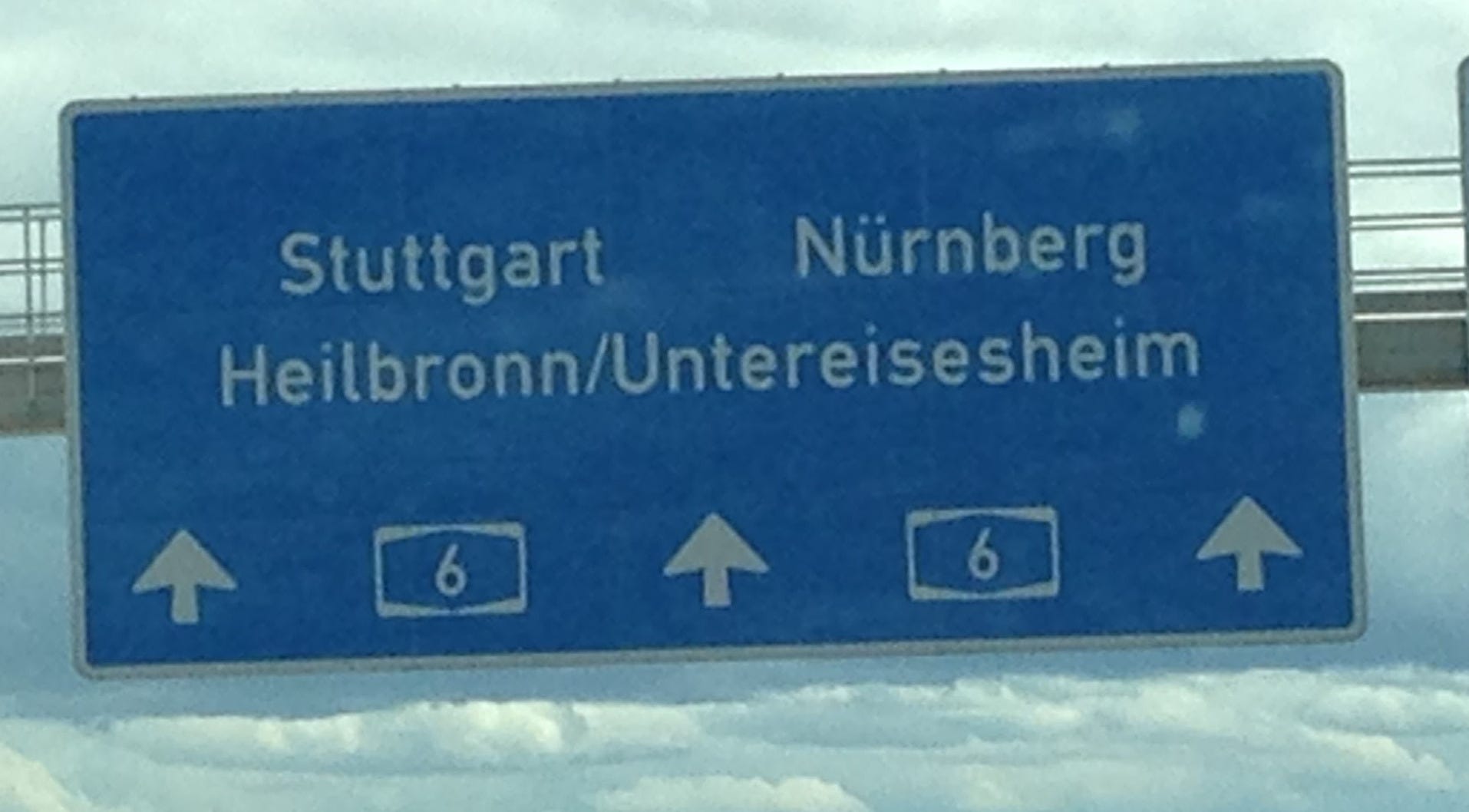
And some moments were startling in their contrast, like the moment in Germany, my hands full of Bibles meant for Stuttgart commuters rather than the Syrian refugees we thought we had come to support, and later that night sitting at a Ramadan table where a Muslim family offered us the kind of warmth and dignity that we had failed to offer anyone at all.
Each memory carries its own ache, and every ache seems to open another doorway I have kept closed for years. I am learning that each one needs room to breathe, its own quiet place to settle on the page. I do not know how many of these doorways I will walk through. I only know that I am no longer willing to turn away from them.
But I have learned over the years that courage begins with a single honest sentence, and so this upcoming series is my attempt at courage, to look directly at what I once tolerated and called normal, to revisit the warnings and corrections and judgments that shaped me, to face the moments when my own instincts collided with the doctrine I was taught. It is also an honest reckoning with the ways I participated in a structure that treated human need as something lower, and the remorse and grief that followed.
What I am writing now lives somewhere between an unlearning and rebuilding. Somewhere between the painful recognition of how far I had strayed from my own moral compass, and the slow return to a compassion I should never have doubted.
These essays have brought up more than I expected. Writing them has felt like holding both grief and clarity at the same time. But I think that naming what happened, plainly and without minimizing it, is part of healing.
Maybe reading it will be part of someone else’s healing too. And if you do read along, I hope you give yourself permission to pause whenever you need to because I will certainly be doing the same.
Thank you for sitting with this. More soon.


Comments